Personal Tax & Finance in Malta
Personal tax is the reason many expats look at Malta in the first place. Residents who are not domiciled here are taxed on Malta income and on foreign income they bring into the country, while foreign capital gains stay outside the net even when remitted. That remittance basis is what makes the island attractive for investors and remote earners.
It is not automatically cheap though. Malta-source income is taxed on progressive bands up to 35%, non-doms with substantial foreign income pay an annual minimum tax, and social security applies like anywhere in the EU. The guides here explain how the system works in practice, and the calculators turn your own numbers into an estimate in a couple of minutes.
Corporate tax, company setup and accounting live in the business section. This one is about your personal money.
All finance guides

Do you need a financial adviser in Malta? How to pick one, fee-only vs commission, checking the MFSA register, plus tax traps for Americans and Brits.
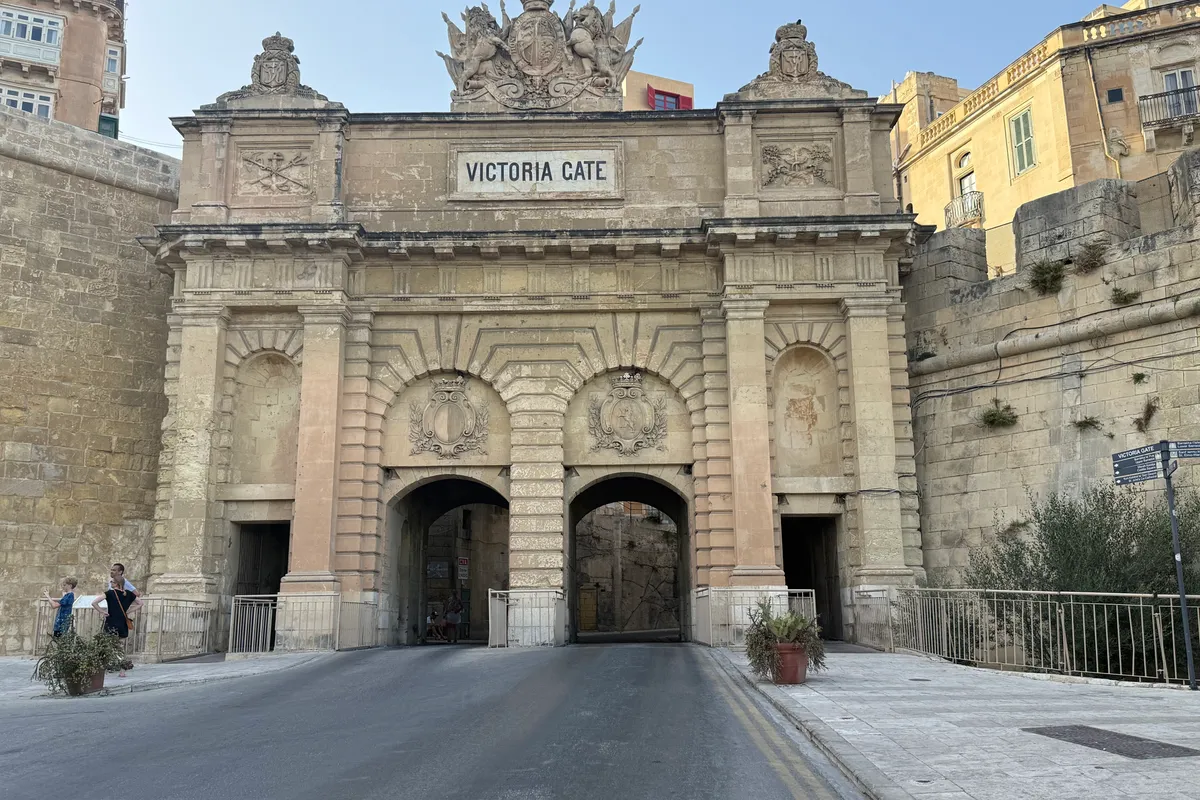
How Malta tax residency works in 2026: the 183-day rule, becoming resident from arrival, ordinary residence, and getting your tax residence certificate.

A Bitcoin investor in Malta on his ordinary non-dom tax setup, borrowing against BTC instead of selling, and why he picked the island. Real talk, not advice.
Malta's non-dom regime explained: the remittance basis, the €5,000 minimum tax, all 2026 income tax bands and what you'll actually pay, profile by profile.