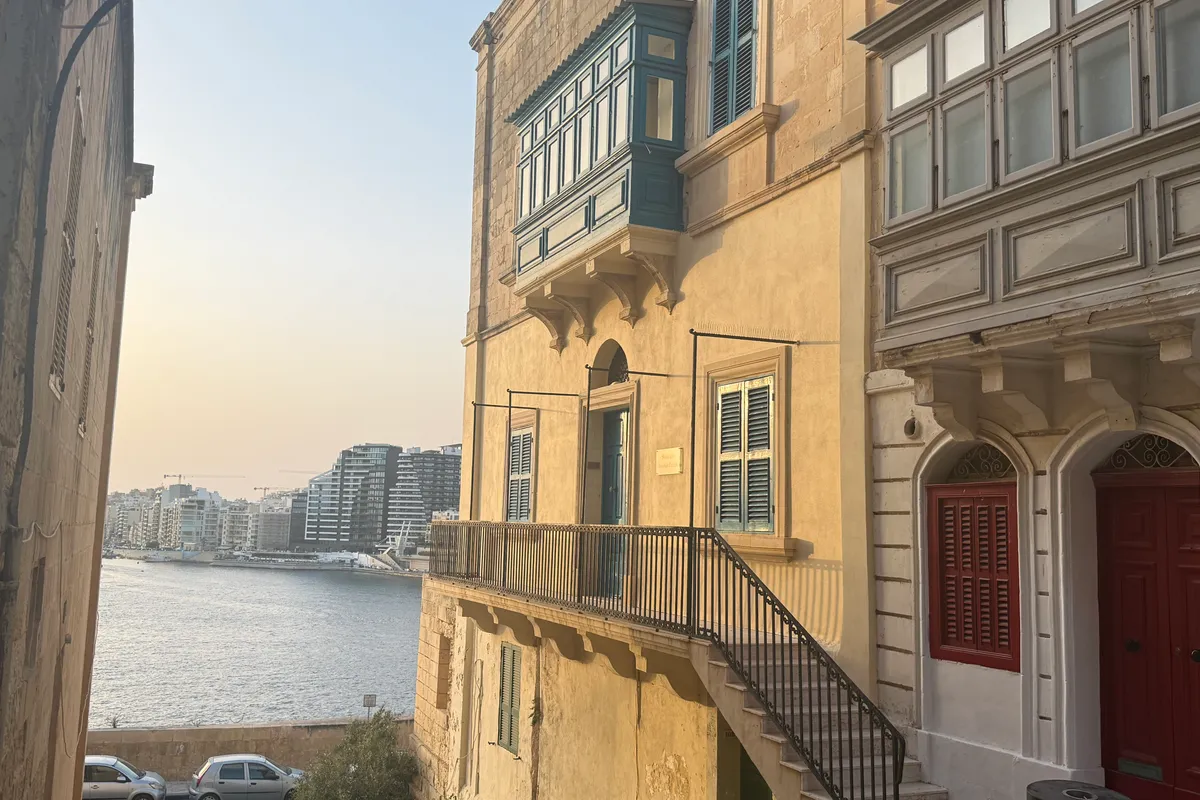
Best Places to Live in Malta 2026: 19 Areas by Profile
21 min read

In this article
Most expats should live along the Gzira-Sliema-St Julian's corridor, where a one-bedroom costs €800-1,600 a month in 2026. Families do better in Swieqi or Mosta, students in Msida, retirees in Mellieħa or Gozo, and budget movers in St Paul's Bay.
That is the short answer. The long answer is the rest of this guide: every area worth considering, what it costs in 2026, and who each one suits. These are the same rent figures that power our Malta rent price explorer and cost of living calculator, triangulated from 2026 market data and cross-checked against what people here actually pay; the full island-wide price breakdown, size by size, is in the Malta rent price explorer.
| Area | 1-bedroom | 2-bedroom | Best for |
|---|---|---|---|
| Sliema | €1,000-1,500 | €1,400-2,200 | Professionals, walkability |
| St Julian's | €1,050-1,600 | €1,350-2,400 | Nightlife, iGaming workers |
| Swieqi | €900-1,300 | €1,200-2,000 | Families near the action |
| Pembroke | €1,000-1,400 | €1,400-2,000 | Modern blocks, schools |
| San Ġwann | €650-950 | €900-1,200 | Value next to St Julian's |
| Gzira | €800-1,200 | €1,100-1,600 | Best value, nomads, students |
| Msida | €750-1,100 | €1,000-1,500 | University students |
| Ta' Xbiex | €900-1,300 | €1,150-1,800 | Quiet marina living |
| Valletta | €1,000-1,600 | €1,400-2,200 | Culture lovers |
| Three Cities | €900-1,350 | €1,150-1,900 | Character on a budget |
| Mosta | €650-950 | €900-1,400 | Families, space |
| Naxxar | €650-950 | €900-1,300 | Family town, local prices |
| Three Villages (Attard, Balzan, Lija) | €800-1,150 | €1,050-1,500 | Prestige inland, gardens |
| Birkirkara | €700-950 | €950-1,500 | Lowest central rents |
| St Paul's Bay / Bugibba | €600-1,100 | €800-1,500 | Cheapest on Malta, retirees |
| Mellieħa | €600-1,000 | €800-1,300 | Families, beach, sea views |
| Marsaskala | €700-950 | €900-1,400 | Southern seaside, locals |
| Deep South (Fgura, Paola, Żejtun) | €550-850 | €750-1,150 | Budget mainland, untouristed |
| Victoria (Gozo) | €500-750 | €700-1,100 | Retirees, remote workers |
If you would rather see all of this on a map than in a table, the interactive Malta neighborhood map plots every area below by vibe or by rent, with the same figures behind each one.
A note on those ranges before you screenshot them: they are 2026 long-let prices for decent furnished apartments. You will find outliers in both directions, and the gap between a good deal and a bad one in the same building can be €200 a month. Full monthly budgets, groceries and the electricity-tariff trap included, are in the cost of living guide.
Some context on where the market sits in 2026: after the brutal post-2021 run-up, the portals suggest rent growth has cooled to single digits year on year, and in the oversupplied central towers, asking prices sometimes come down during negotiation. The Sliema and St Julian's premium over the island average remains stubborn at roughly a quarter to 40% extra. In other words, the market has stopped punishing you for waiting a month to find the right flat, so take the month.
One more thing about those ranges: they are asking prices for new arrivals, and plenty of people pay less. I live in St Julian's and pay comfortably under the table's range for the area, on a normal contract in a normal building. Older flats, landlords who'd rather keep a quiet long-term tenant than chase the top of the market, and places that never hit the portals all sit below the published numbers. You find them by being here, which is one more argument for renting something ordinary first and hunting slowly.
How to Choose Where to Live in Malta
Malta is 27 km end to end, which tempts people into thinking location barely matters. It matters more here, not less. Traffic is the islands' defining misery, and a 12 km commute can mean 50 minutes each way at rush hour. Buses are free for residents with a personalised Tallinja card, but free doesn't mean fast: the network runs hub-and-spoke through Valletta and sits in the same jams as everyone else.
So the first question isn't "which town is nicest". It's "where will I spend my weekdays". If your office is in St Julian's, living in Mellieħa will wear you down by November. If you work from home, the equation flips and half the island opens up.
The second question is noise tolerance, and I mean this literally. Malta is loud: construction (there is always construction), church bells, festa fireworks in summer, and in some streets, Paceville's bass line until 4 AM. When you view a flat, go back and stand outside it at 10 PM. That single habit would have saved several people I know from a miserable first year.
The third question is the one this guide is built around: what kind of life are you setting up? A family with two kids, a remote worker on Lisbon-refugee money, a university student, a retired couple and a 24-year-old here for the nightlife should end up in five different towns. Let's take them one at a time.
Where Should Families Live in Malta?
The family calculation starts with schools, not rent. Malta's international schools cluster in the centre and north of the island (Verdala in Pembroke, San Andrea and San Anton near Mgarr and Mosta, QSI in Mosta), and the school run shapes everything else. I've broken down the school system, fees included, in the Malta education guide for expat families.
With that constraint in mind, four areas keep coming up when I talk to families here.
Swieqi is the default for families who want to stay close to the professional centre. It sits on the hill behind St Julian's: residential streets, limestone townhouses, modern three-bedroom apartments at €1,600-2,600, and a short drive to the Pembroke schools. It has no seafront and no sights, which is exactly why it stays calm. The catch is that it's popular, so decent family apartments move fast.
Mosta and Birkirkara are the value play. These are proper Maltese towns where a three-bedroom runs €1,200-2,000, several hundred euros under the coast, and apartments come bigger. You get local bakeries, band clubs and neighbours whose families have been there for generations. You also get traffic and an unavoidable need for a car. For the trade-offs of driving here, see the driving in Malta guide.
Mellieħa is for families who moved to Malta for the Mediterranean part. It's a hilltop village in the north with the island's best family beach (Għadira) below it, sea views from ordinary apartments, and two-bedrooms at €800-1,300. The commute to the central business areas is the price: 40-60 minutes by car at peak, more by bus.
Marsaskala, in the southeast, is the one people overlook. It's a seaside town with a long promenade, harbour restaurants and southern rents (three-bedrooms from about €1,200). The expat density is much lower, which some families count as a con and I'd count as a pro: kids grow up with Maltese friends, not in a bubble.
Where to Live in Malta as a Digital Nomad or Remote Worker
Remote workers have the most freedom and, in my experience, use it worst. The standard mistake is paying Sliema prices for an office-proximity benefit you don't need.
If I were arriving as a nomad in 2026, I'd point myself at Gzira first. It's ten minutes on foot from the Sliema seafront at 15-25% less rent (one-bedrooms €800-1,200), the fibre is the same, the coworking spaces of Sliema and St Julian's are a short walk, and the food options have quietly become some of the best on the island. It is not pretty. You'll trade sea-view Instagram posts for €200-300 a month, which buys a lot of flights home.
Sliema itself remains the comfortable choice if the budget stretches to €1,000-1,500 for a one-bed. Everything is walkable: gyms, supermarkets, the ferry to Valletta, the promenade for your fake commute. Half the remote workers I know here live within ten streets of each other in Sliema, which makes the social side effortless.
Valletta and the Three Cities are the character option. Valletta gives you a one-bedroom in a 450-year-old building for €1,000-1,600, with the caveat that stock is limited, lifts don't exist and summer tourists own your street by day. Across the harbour, Birgu, Senglea and Cospicua (the Three Cities) offer the same golden-stone life for €900-1,350, connected to the capital by a two-minute ferry. That corner of the harbour is, for my money, the most underrated address in Malta.
And then there's Gozo. If your work is fully remote and your idea of a good evening is a farmhouse roof terrace rather than a rooftop bar, the smaller island gives you a one-bedroom for €500-750 and a completely different pace. I've written a full guide to living in Gozo, including which villages suit which people, and the practicalities of the ferry are covered in the Malta-Gozo transport guide. Try a winter month there before committing; the quiet that charms you in October can isolate you by February.
One tax note worth flagging early: where you live doesn't change your Maltese tax position, but becoming resident does. The 183-day rule, the remittance basis and what they mean for a remote worker's foreign income are covered in the personal tax guide.
Where Do Students Live in Malta?
Two different student worlds here, in different places.
University of Malta students live around the campus in Msida, or in neighbouring Gzira and San Ġwann. Msida is functional rather than glamorous: the university and Mater Dei hospital at the top of the hill, a marina at the bottom, everyday shops in between, and the cheapest central rents on the island. The standard setup is a private room in a shared flat at €400-600 a month, utilities usually included. Whole one-bedrooms run €750-1,100 if you'd rather live alone. Two warnings from watching September happen every year: the decent flats near campus are gone by August, and prices spike exactly when the students arrive. Sort your room by July, and if the timing has slipped, the purpose-built residences and every other option are compared in the student accommodation guide.
Language students are a separate market. The schools cluster in Sliema, St Julian's and St Paul's Bay, and most students start in school-arranged accommodation, which is convenient and overpriced. The move that saves the most money on a long stay is switching to your own room on the open market after the first couple of weeks; I've laid out the full numbers, school rates versus market rates, in the cost guide for language students.
Students ride buses free with the personalised Tallinja card, so living a town or two away from school to save on rent is a common and sensible trade. A room in St Paul's Bay costs meaningfully less than one in St Julian's, and the 222 runs the coast between them all day.
Where to Retire in Malta
Retirees optimise for different things: healthcare access, quiet, a community that doesn't evaporate at the end of summer, and value for a fixed income. Malta does all four well, which is why the retiree community here keeps growing. The visa and tax side (including the Malta Retirement Programme's 15% rate on foreign pensions) is its own topic, covered in the complete retirement guide; here is the geography.
Mellieħa is where I'd start looking. Sea views, a walkable village core, Għadira beach below, and two-bedrooms at €800-1,300. The population skews residential rather than touristic, and the pace suits people who are done with commuting forever.
St Paul's Bay, Bugibba and Qawra host one of the largest foreign retiree communities on the island, mostly British, increasingly everyone else. The draw is straightforward: seafront promenades, some of the cheapest apartments on the main island (one-beds from around €600), and an established social scene of clubs and associations. The trade-off is aesthetic. Bugibba was built fast and cheap in the package-holiday era, and looks it. Some people mind; plenty don't.
Marsaskala and the southeast suit retirees who want Maltese life rather than expat life: morning coffee on the promenade, fish at the harbour, neighbours who invite you to the festa. Rents are among the lowest on the island and the new arrivals there tend to stay.
Gozo is the deep-end version, and for a certain kind of retiree it's the best decision available in the Mediterranean. Two-bedroom apartments in Victoria for €700-1,100, farmhouses with views for not much more, a genuine community, and Gozo General Hospital on the island for everyday healthcare (specialist care means the ferry to Malta, a 25-minute crossing per Gozo Channel). The living in Gozo guide goes village by village.
Sliema deserves a mention because a sizeable retired community lives there very happily: everything within a flat walk, the promenade for daily exercise, ferries and buses everywhere. You pay the full Sliema premium for it, and for retirees who can, it works.
Where to Live for Malta's Nightlife
If you're moving here at least partly for the party, the geography is compact: one square kilometre of Paceville holds nearly all of the island's clubs, with Sliema and Gzira handling the bar-and-restaurant layer. The full scene, month by month and venue by venue, is mapped in the Malta nightlife guide.
The temptation is to live in or right next to Paceville. Resist it, or at least walk the street at 3 AM before signing. Paceville is a place to be at 1 AM and a terrible place to be asleep at 4 AM; the buildings on its edges deal with noise, mess and stag groups all summer. The move that works is living a 10-20 minute walk away: the quieter ends of St Julian's (Balluta, Ta' Giorni), upper Swieqi if you want to flat-share near the action, or Gzira and Sliema, from which a night out ends with an €8-12 Bolt home. One-bedrooms in St Julian's run €1,050-1,600, and a room in a shared flat around St Julian's or Swieqi is €500-800, which is how most of the nightlife-first crowd does it.
Worth knowing: the scene migrates in summer. From June to September the big nights are at open-air venues like Uno and Gianpula in the middle of the island, not in Paceville itself, so living on top of the clubs matters even less than you'd think. The best clubs guide has the current venue-by-venue picture, and my month-by-month guide to Malta's nightlife shows when the open-air season actually starts and winds down.
What Is the Cheapest Place to Live in Malta?
Cheapest with a functioning life attached, in order:
A room in a shared flat, anywhere central. The single biggest lever. A private room in Gzira or Msida costs €400-650 a month with utilities included, in the same streets where a one-bedroom costs €900+ plus bills. There's also more 2-bed and 3-bed stock than 1-bed here, so splitting a whole flat with flatmates often beats renting solo: a €1,200 two-bed is €600 each. The rent price explorer has a sharing mode that shows the per-person cost in every area. Most single arrivals under 30 start this way, and plenty stay because the maths is so much better.
St Paul's Bay, Bugibba and Qawra. Among the cheapest whole apartments on the main island: one-bedrooms from around €600, two-bedrooms €800-1,500 (the top of that reflects newer or seasonal stock). You get a real seafront town with every amenity, at the cost of tourist crowds in summer, a certain concrete charmlessness, and a 45-60 minute bus ride to the central business districts. For a remote worker or retiree who doesn't commute, the discount is close to free money.
The south: Marsaskala, Żejtun, Fgura, Paola. One-bedrooms from about €600. Marsaskala is the pick if you want the sea; the inland southern towns are cheaper still and completely untouristed. The commute north is the tax, and it's a real one at rush hour.
Gozo. The cheapest of all: one-bedrooms €500-750, and more space for the money at every price point. But treat it as its own decision rather than a discount on the main island, because the ferry restructures your life around its timetable.
One caution on cheap rents: the lowest asking prices sometimes come with the landlord proposing to skip contract registration or keep part of the rent off the books. Registration with the Housing Authority is mandatory (the landlord must do it within 30 days), and an unregistered lease is legally void, which strips you of tenant protections exactly when you'd need them. If the landlord drags their feet, you are allowed to register the lease yourself and reclaim the cost. If a deal requires you to be invisible, it's not a deal.
Malta's Areas, One by One
The profiles above are how I'd choose. This section is the reference: every area in the table, with the 2026 numbers and the texture the table can't hold.
Sliema
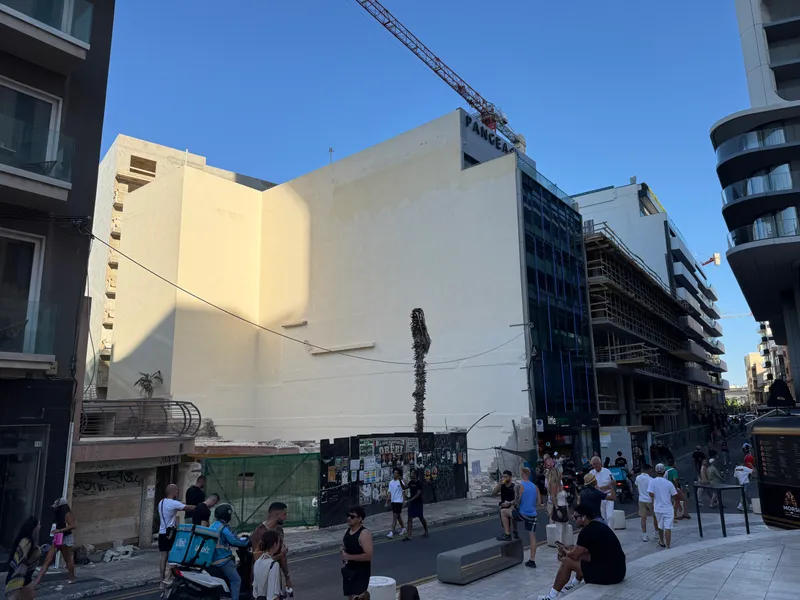
The centre of expat Malta, and by most practical measures the easiest place to land. The seafront promenade runs the whole length of town, the shopping is the island's best outside a mall, the Valletta ferry takes 10 minutes, and you can do everything on foot. One-bedrooms at €900-1,300, two-beds €1,300-1,900, with sea views adding €200-400 to anything. The cost of that convenience, beyond rent: construction noise (Sliema is one perpetual building site), summer crowds, and a slight everyone-is-passing-through feel. If you're buying rather than renting here, start with the guide to buying property in Malta, and note that two of the addresses in this town, Tigné Point and Fort Cambridge, are Special Designated Areas where foreign buyers face no restrictions at all.
St Julian's
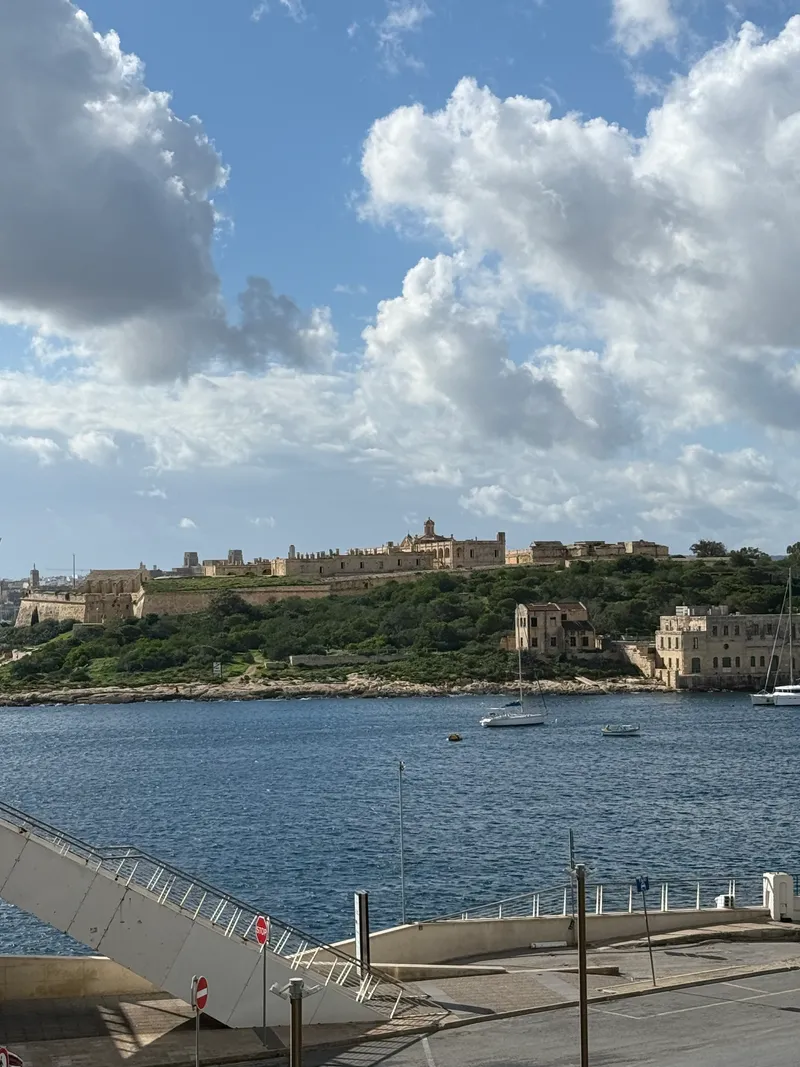
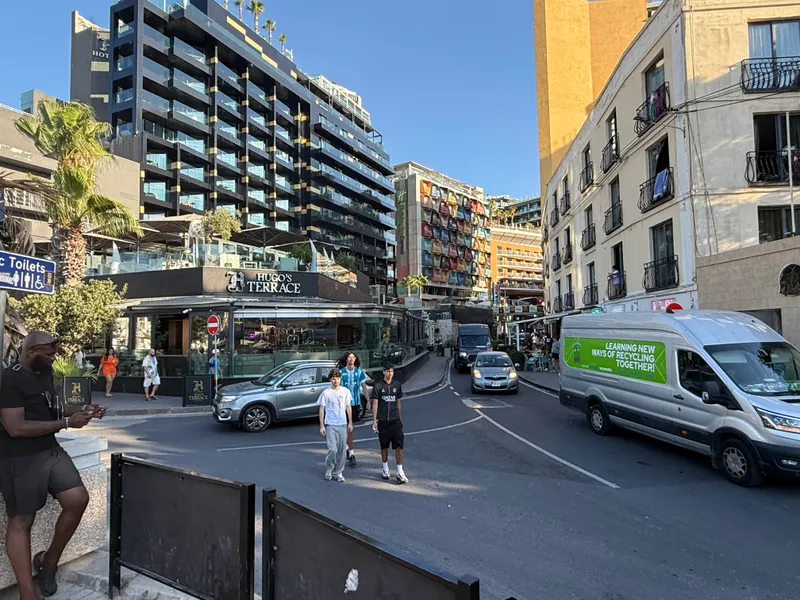
Sliema's louder neighbour: Spinola Bay's restaurant ring, the Portomaso tower, most of the iGaming offices, and Paceville embedded in the middle of it. Rents match Sliema (€900-1,300 for a one-bed). This is where I live, and daily life is far calmer than the party reputation suggests, provided you choose the street with care: Balluta Bay and Ta' Giorni are lovely and quiet, while anything touching Paceville is not. For young professionals working in the area's offices, the location is unbeatable, and Gzira and Sliema are both a short walk when you want a change of seafront.
Swieqi
Uphill and inland from St Julian's, and the answer to "where do people go when they outgrow it". Quiet residential streets, townhouses and family apartments (two-beds €1,150-1,600), international schools nearby in Pembroke, and the coast still ten minutes downhill. Students share the cheaper flats at the St Julian's end. There is nothing to do in Swieqi itself, which is the point.
Gzira
My default recommendation for new arrivals, and where the value sits on the central coast: one-bedrooms €750-1,100 a ten-minute walk from Sliema. The seafront faces Manoel Island (whose on-again, off-again redevelopment saga means the view may one day change), and the inner streets are an unpretentious mix of locals, students and young expats. The restaurant scene has improved to the point where Sliema residents now cross the border to eat.
Msida
The student quarter: University of Malta and Mater Dei hospital at the top, the marina at the bottom. Rooms €450-600, one-beds €700-1,000. It's traffic-heavy and short on charm, but for anyone whose life orbits the University of Malta campus, nothing else is as practical.
Ta' Xbiex
A small, green, embassy-lined wedge between Gzira and Msida with a marina full of superyachts. Quieter and statelier than either neighbour, with rents to match (one-beds €850-1,250). Suits professionals and families who want central without any buzz at all.
Valletta
Living in the capital means a character apartment inside a UNESCO World Heritage city: stone staircases, gallarija balconies, culture on your doorstep every night. One-bedrooms €800-1,300 and up for renovated places. The compromises are structural: limited stock, no parking, no lifts, tourists by the shipload at midday, and near-silence after 11 PM (which residents count as a feature). Wonderful for a certain temperament, tiring for others.
The Three Cities (Birgu, Senglea, Cospicua)
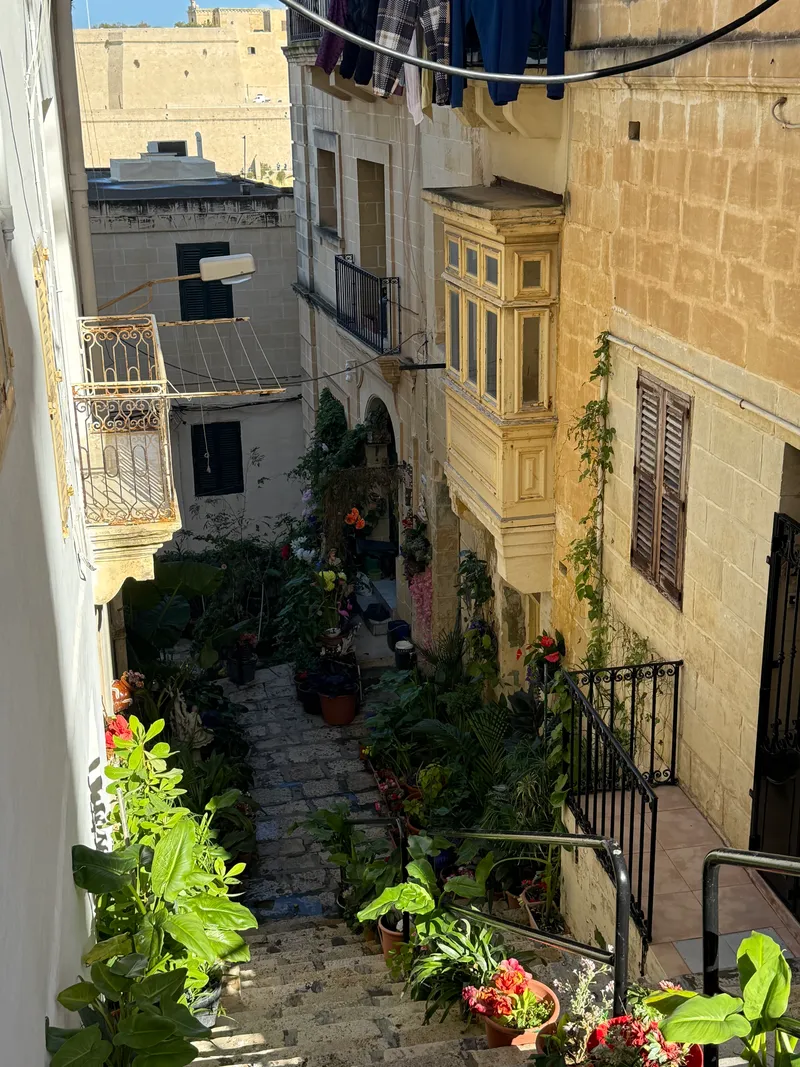
Across the Grand Harbour from Valletta, older than Valletta, and for years the insider's choice. Restored houses of character, the American University campus in Cospicua, the marina in Birgu, and one-bedrooms at €650-950 with views the capital charges double for. The short ferry hop across the Grand Harbour to Valletta is one of the best commutes in Europe. Gentrifying visibly, so this window won't stay open forever.
Mosta
A big, self-sufficient Maltese town around the Rotunda dome, dead centre of the island. Families get space (three-beds €1,100-1,700), local prices and local life; everyone gets equidistance, about 20-25 minutes by car from most of the island, traffic permitting. A car is non-negotiable.
Birkirkara
Malta's most populous town and its most underrated budget option: one-bedrooms €650-950, fifteen minutes from the coast, with every practical amenity and zero tourist economy. Nobody moves to Birkirkara for the romance. People move there because the rent-to-convenience ratio is the best on the island, and they're right.
St Paul's Bay, Bugibba and Qawra
The northern seafront conurbation, and the main island's budget capital: one-beds €550-800, two-beds €850-1,050. Summer brings package tourists and noise around the Bugibba square; winter brings the place back to its large resident community of retirees, language students and workers priced out of the centre. The seafront promenade is long and the swimming off the rocks is decent. Aesthetics aside, daily life here works.
Mellieħa
The north's village option: on a hill, above sandy beaches, facing Gozo. Two-beds €850-1,200, many with the sea views that cost double in Sliema. Families and retirees settle here for good reasons, and the commute to the centre is the tax on all of them. In summer, beach traffic can lock up the approach roads.
Marsaskala
The southeast's seaside town, built around a long harbour inlet: promenade, fish restaurants, a mostly Maltese population, and rents (one-beds €600-850) that reflect the distance from the expat corridor. If you want to live by the sea, in Malta rather than in expat Malta, and don't commute north daily, it's arguably the best quality-of-life-per-euro on the island.
The Ones I Left Off the Table
A few areas didn't make the main table but deserve a line, because people end up in them and are glad they did.
San Ġwann sits between Swieqi and Birkirkara and behaves like a cheaper Swieqi: residential, practical, popular with flat-sharers who work in St Julian's. Expect rents a notch under Swieqi's. Pembroke, north of Paceville, is a former British barracks town that's now quiet, green by Maltese standards, and home to two international schools; stock is limited, and much of it is newer development. Mdina and Rabat, in the island's west, offer the most atmospheric addresses in Malta: the silent medieval capital and its living sister town. Rentals are scarce and mostly houses; when they appear, they tend to cost less than the coast, which says more about commute times than about the towns. Marsaxlokk, the postcard fishing village in the south, has a small but devoted expat contingent living above the harbour for southern-town rents. And the inland southern towns (Żejtun, Paola, Fgura, Żebbuġ) hold the lowest asking prices on the island, often below €600 for a one-bed, for anyone whose Malta doesn't revolve around the northern coast.
Victoria and Gozo
Gozo's capital has the markets, the Citadella, the hospital, the bus hub and every service the island offers, with one-beds at €500-750. The rest of Gozo trades convenience for beauty village by village. It's a different life, not a cheaper suburb, and it deserves its own research: start with the living in Gozo guide.
Renting in Malta: What to Know Before You Sign
Wherever you land, the mechanics are the same, and a few of them are worth knowing before your first viewing rather than after. I've written a full guide to renting in Malta covering contracts, deposits, registration and tenant rights; what follows is the short version.
Almost everything rents furnished, on one-year contracts, through agents whose fee (typically half to one month's rent) the tenant usually pays. Budget the deposit plus the fee on top of the first month: keys on a €1,200 flat cost €2,400-3,600 up front. Landlords expect negotiation, and autumn (October-November, when the summer crowd leaves) is when they say yes. Insist on the lease being registered, and once you're in, sort the utilities registration immediately: the Form H residential-tariff issue can quietly add 30% to your electricity bill, and I've explained the fix in the cost of living guide.
Before any of that, you'll need the paperwork of existing: a local bank account or EMI for the standing order (see the personal banking guide) and, once settled, your residence card, for which the registered lease is a required document. The order of operations for the whole landing sequence is in the moving to Malta checklist.
So Where Should You Actually Live?
If I had to compress this whole guide into one paragraph of advice, it's this. Most single arrivals and couples should start in Gzira: central, connected, fairly priced, and easy to leave if you discover you're a Valletta person or a Mellieħa person after all. Families should look at Swieqi if the budget allows and Mosta or Birkirkara if it doesn't. Retirees should visit Mellieħa, Marsaskala and Gozo before signing anything in the obvious expat zones. And the nightlife crowd should live near Paceville, never in it.
Above all: rent before you commit, and rent somewhere central first. Malta is small enough that your first year is a scouting mission you can run from one well-placed flat. Take the year, stand in front of apartments at 10 PM, spend a February weekend in Gozo, and let the island tell you which of its dozen small worlds is yours.
Written byVincent Ventalon
French software engineer living in St Julian's and running his company from Malta. This site is what I learned on the way.More about me