Residence in Malta
How you become a resident of Malta depends almost entirely on your passport. EU citizens can simply move, then register for a residence card once they are working, studying or self-sufficient. Non-EU citizens need a permit before anything else, through a job, the Nomad Residence Permit or one of the investment programs.
The guides in this section walk through each route with the actual paperwork: getting the residence card, the programs available to EU citizens, what changes when you arrive from the USA, retiring here, and how digital nomads fit in. I went through the EU route myself, so that part comes from my own application, not from a forum thread.
If you are at the beginning of the process, the moving checklist below sequences everything from three months out to your first weeks on the island.
All residence guides

Is Malta a good place to retire? The Malta Retirement Programme's 15% tax, real monthly budgets, healthcare, where retirees settle, and the pros and cons.
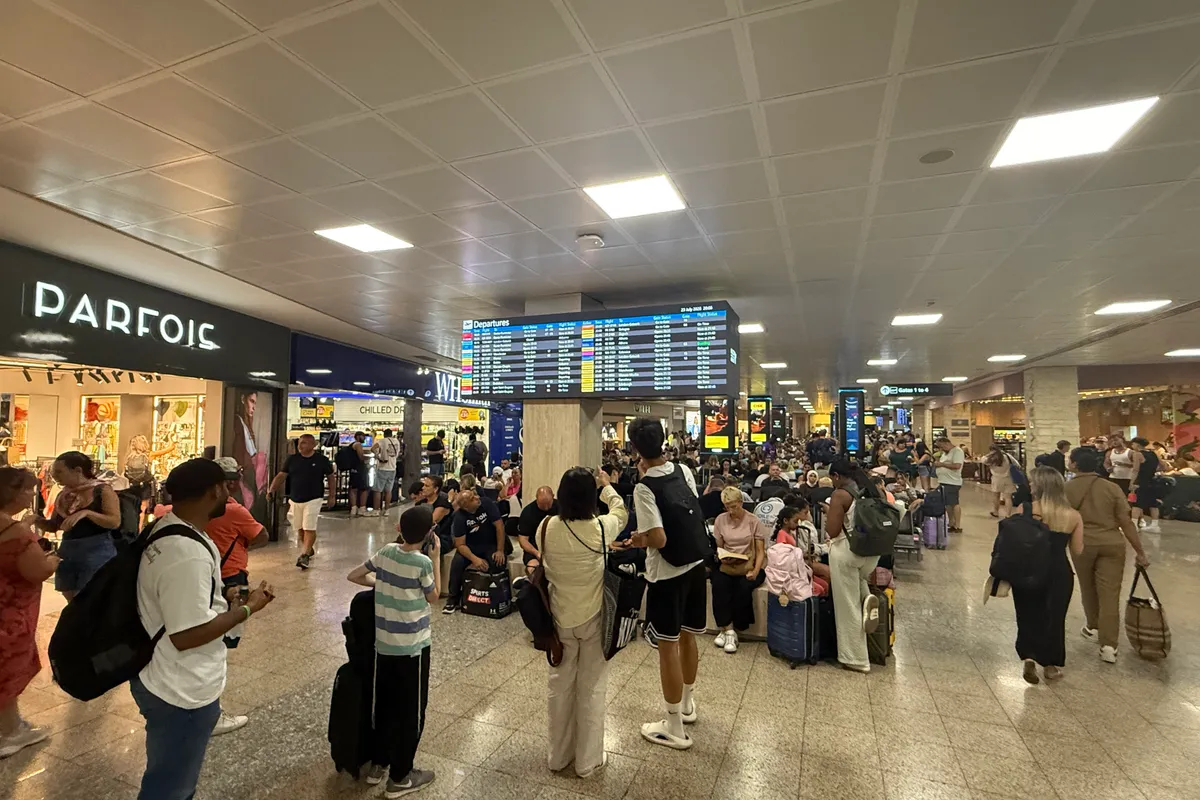
Do you need a student visa for Malta? 2026 rules by passport: Brazilians, Colombians, Filipinos, Indians, EU, UK and US students, the 90-day line, work rights.

Malta for digital nomads in 2026: the Nomad Residence Permit (€42,000 income, 10% tax after year one), real monthly costs, coworking, and Malta vs Madeira.
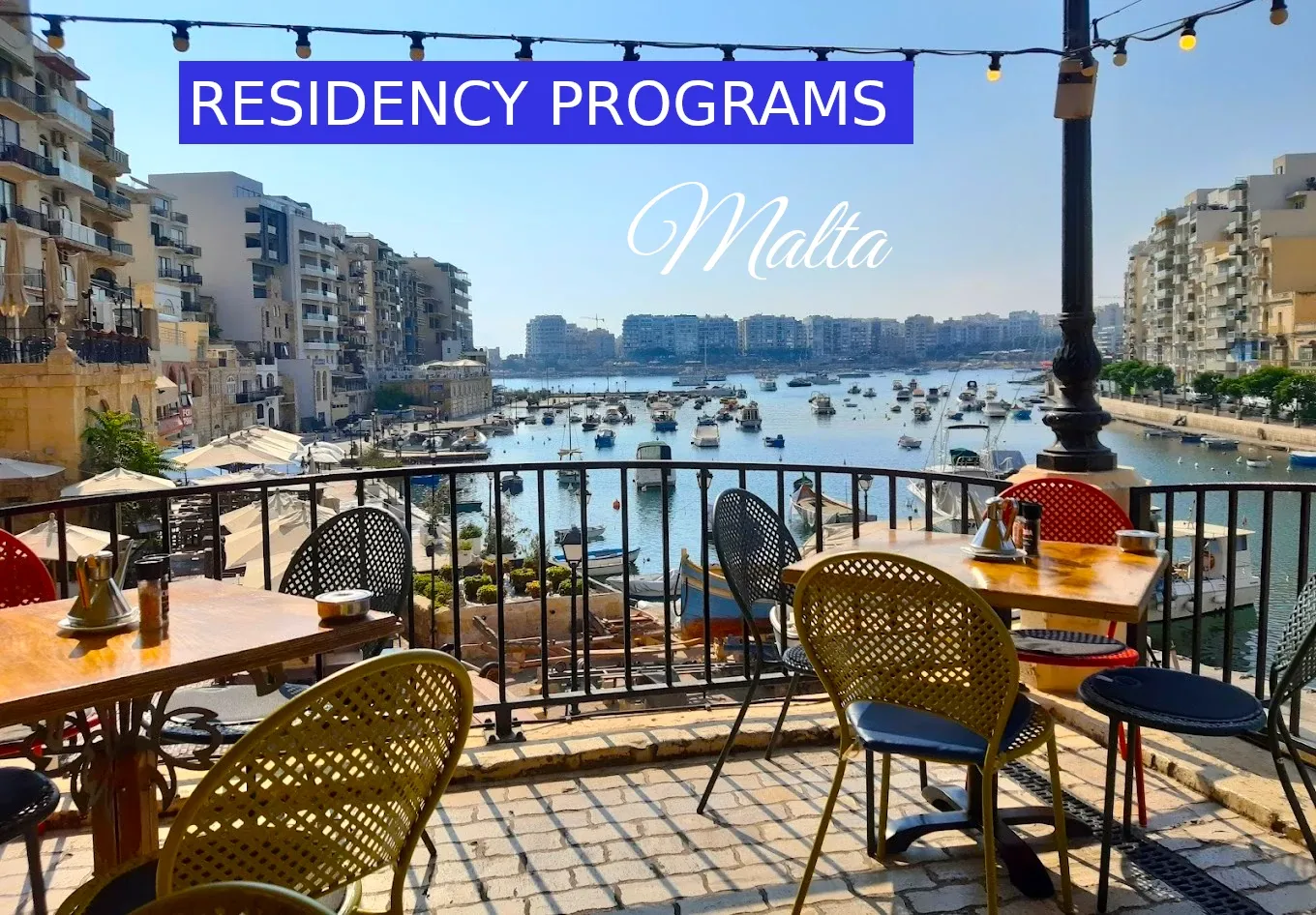
Malta residency for EU citizens in 2026: Ordinary Residence on the remittance basis vs The Residence Programme's 15% tax status, with real costs and a verdict.
How to get a Malta residence card in 2026: the free EU eResidence document, the €280.50 non-EU Single Permit, documents, timelines and the right order of steps.
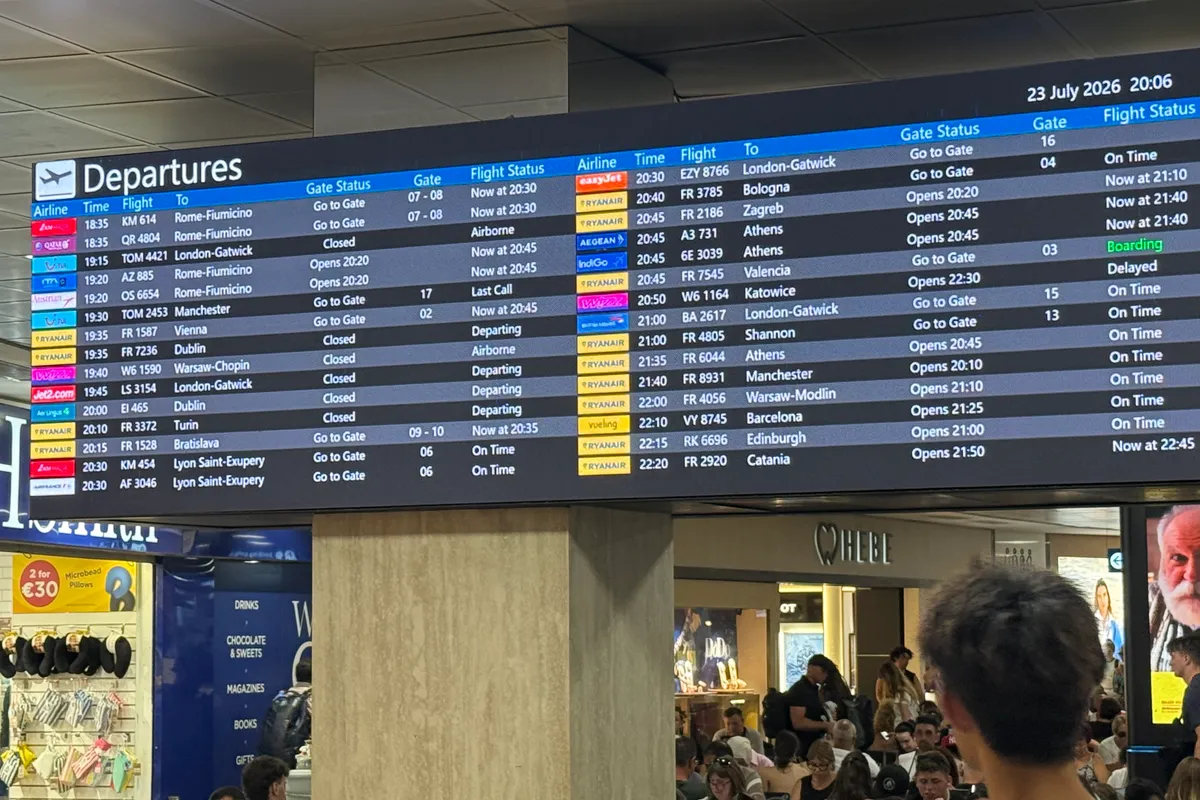
Moving to Malta from the USA in 2026: residence permits for Americans, the US tax treaty and FATCA, the new Delta nonstop, pets, driving and real monthly costs.