Everyday Life in Malta
Daily life is the part of Malta nobody researches before moving. Everyone checks the tax rates and the rent, then discovers on arrival that groceries cost more than in most of Europe because nearly everything arrives by ship, that opening a bank account can take weeks, and that buses are free for residents but rarely on time.
This section is my running notes on all of it: what a realistic monthly budget looks like, how healthcare works, exchanging your driving licence, finding a job, schools for your kids and where to eat. I live in St Julian's and run my company from here, so the prices and procedures in these guides come from my own receipts and paperwork.
If you are still planning the move, start with the cost of living guide and the calculator below, then come back for the practical pieces once you have a date.
Tools for daily life
All everyday life guides
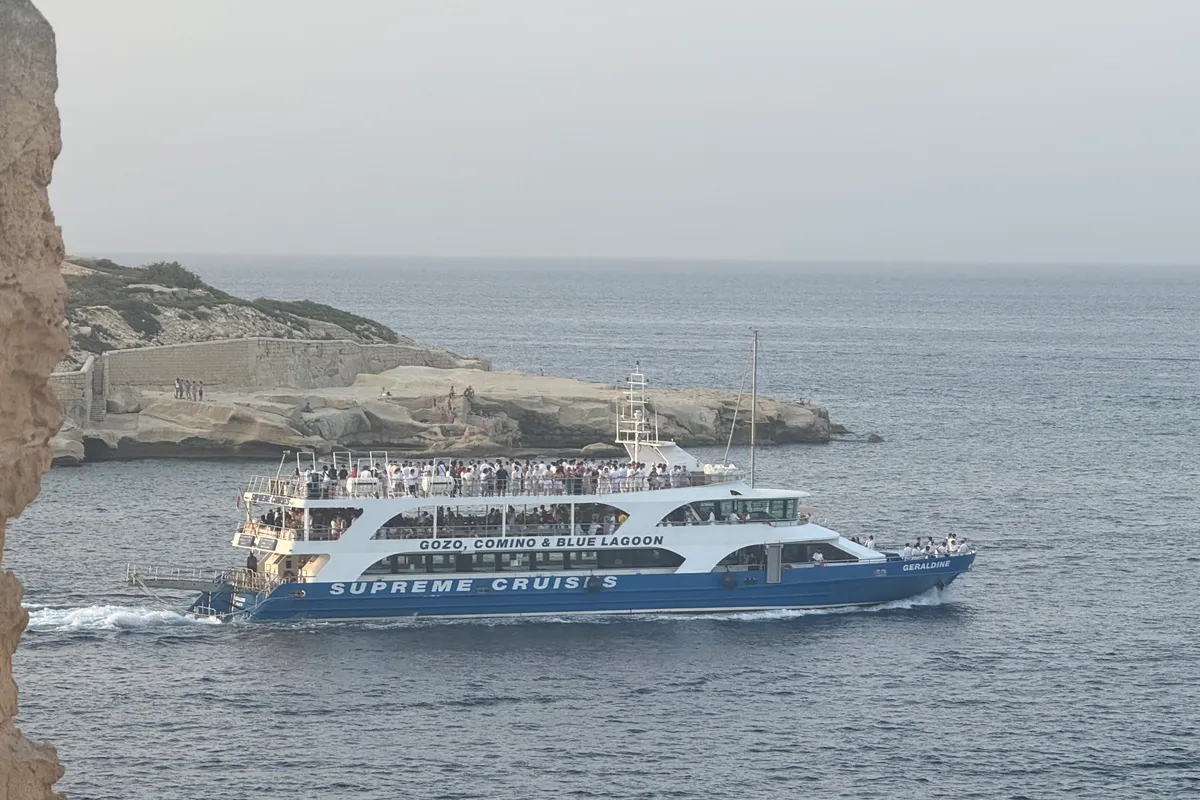
The Transport Malta nautical licence in 2026: who actually needs it, the 30 HP rule, course fees at every school, exam, medical, timeline and how to apply.
The RHA card gives UK nationals free public healthcare in Malta. Who qualifies, how to apply through the Entitlement Unit, and what it covers in 2026.
Do you need private health insurance in Malta? Non-EU residents must show €100,000 of cover. What local and international policies cost in 2026, how to choose.
Opening a bank account in Malta in 2026: BOV and APS vs Moneybase, Revolut and Wise, documents, real timelines (24 hours to weeks) and non-resident options.
Is Malta cheaper than Spain or Portugal? Not on rent, but it wins on tax, English and healthcare. Malta vs Portugal, Spain, Cyprus, UK, US and Dubai in 2026.
All 32 licensed English schools in Malta ranked by real student reviews, with 2026 prices, hidden fees and the best pick for each budget and age group.
Is healthcare in Malta free? Yes once registered: EU residents via S1, UK nationals via the RHA card, tourists with EHIC/GHIC. Non-EU arrivals need insurance.
Traditional Maltese food explained: what to eat in Malta, from 50c pastizzi and rabbit stew to Marsaxlokk fish and timpana, with restaurants and 2026 prices.
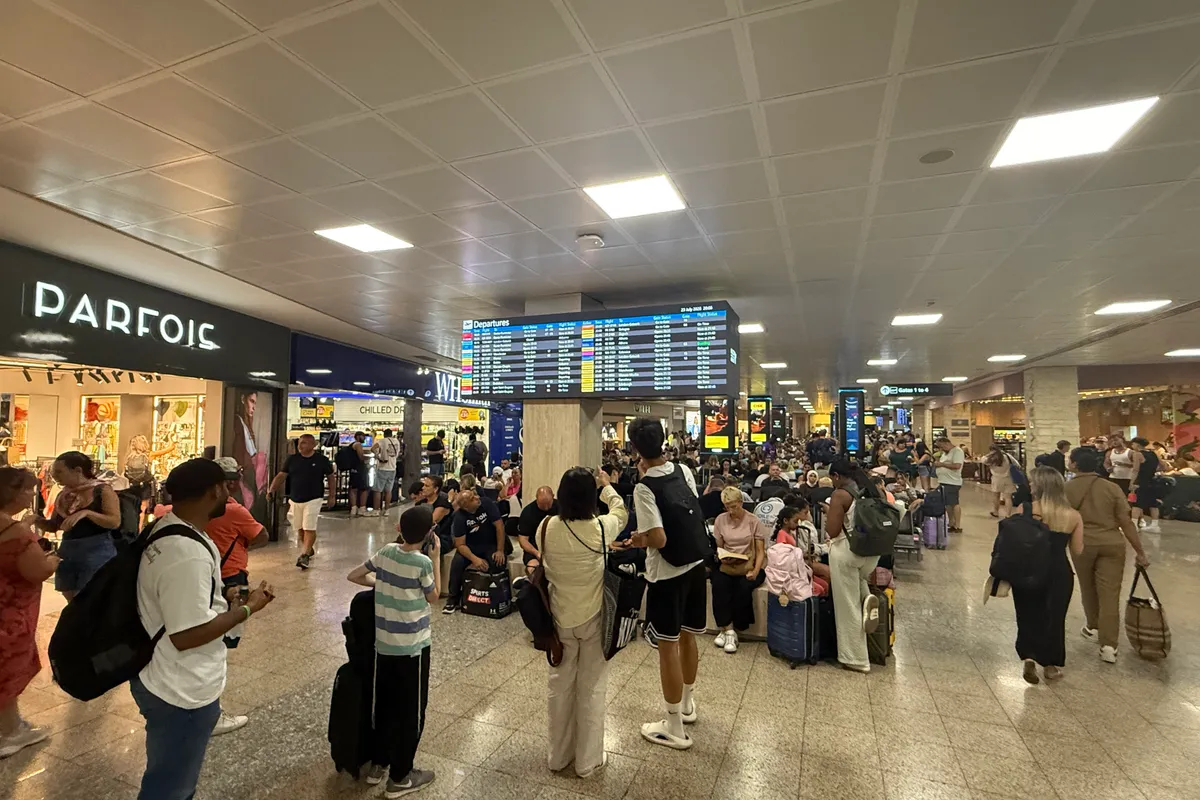
How to move to Malta in 2026, step by step: 6 months out, 3 months out, first week and first month, from visas and apostilles to bank accounts and setup costs.
The average salary in Malta is €2,270 a month basic in 2026, about €1,790 net. The minimum wage (€229.44 a week) and what real jobs and sectors actually pay.
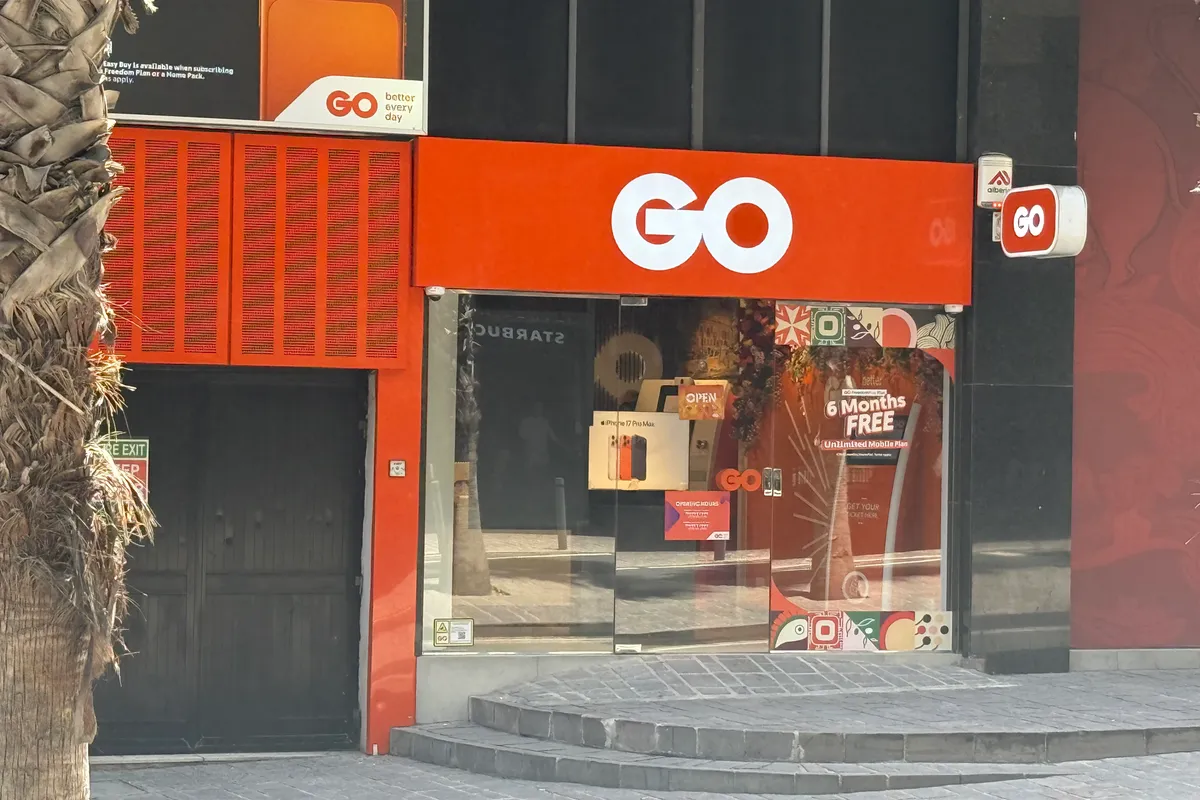
Internet and mobile plans in Malta compared for 2026: GO, Melita and Epic from €25/mo fibre and €8.49/mo mobile, speeds, TV bundles and contract traps.
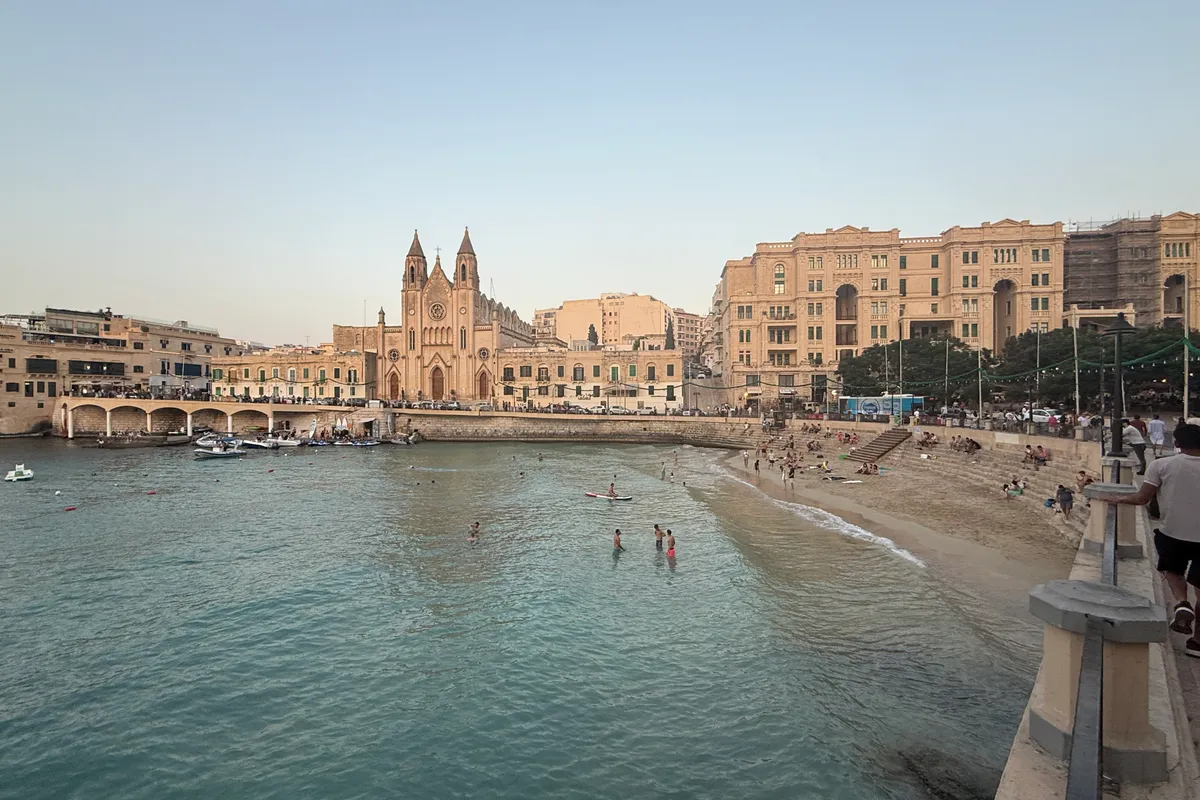
What Malta costs per month in 2026: €1,450-2,250 single, €2,250-3,400 couple, €3,200-5,500 family. Rent, bills, groceries and the traps, from a resident.
Real 2026 numbers for studying English in Malta: €1,100-1,600 for two weeks all in, €2,100-3,100 a month. Course fees, housing, food and visa costs mapped.
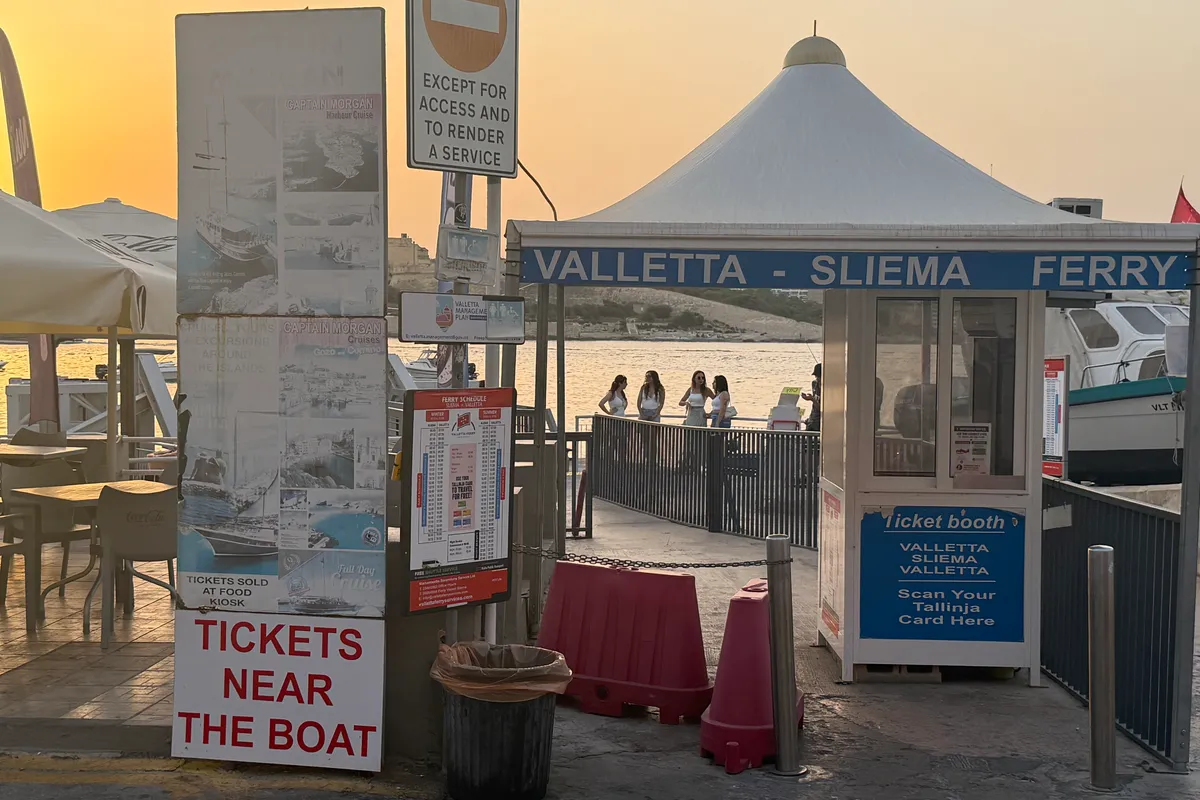
How to get from Malta to Gozo in 2026: the €4.65 Ċirkewwa ferry, the Valletta fast ferry, airport-to-Gozo times, winter cancellations and Malta's buses.
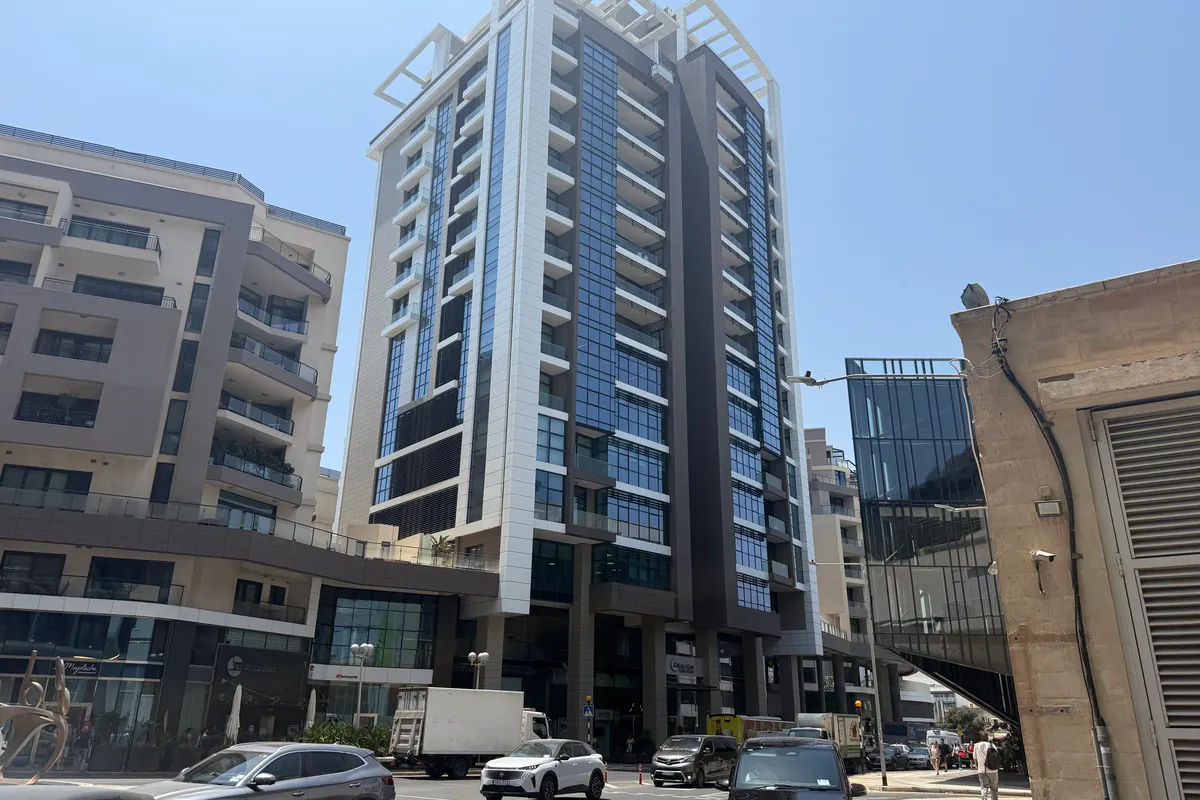
How to find a job in Malta in 2026: the industries that pay well, real salary ranges, the best job boards, work permits and interview tips from an expat.
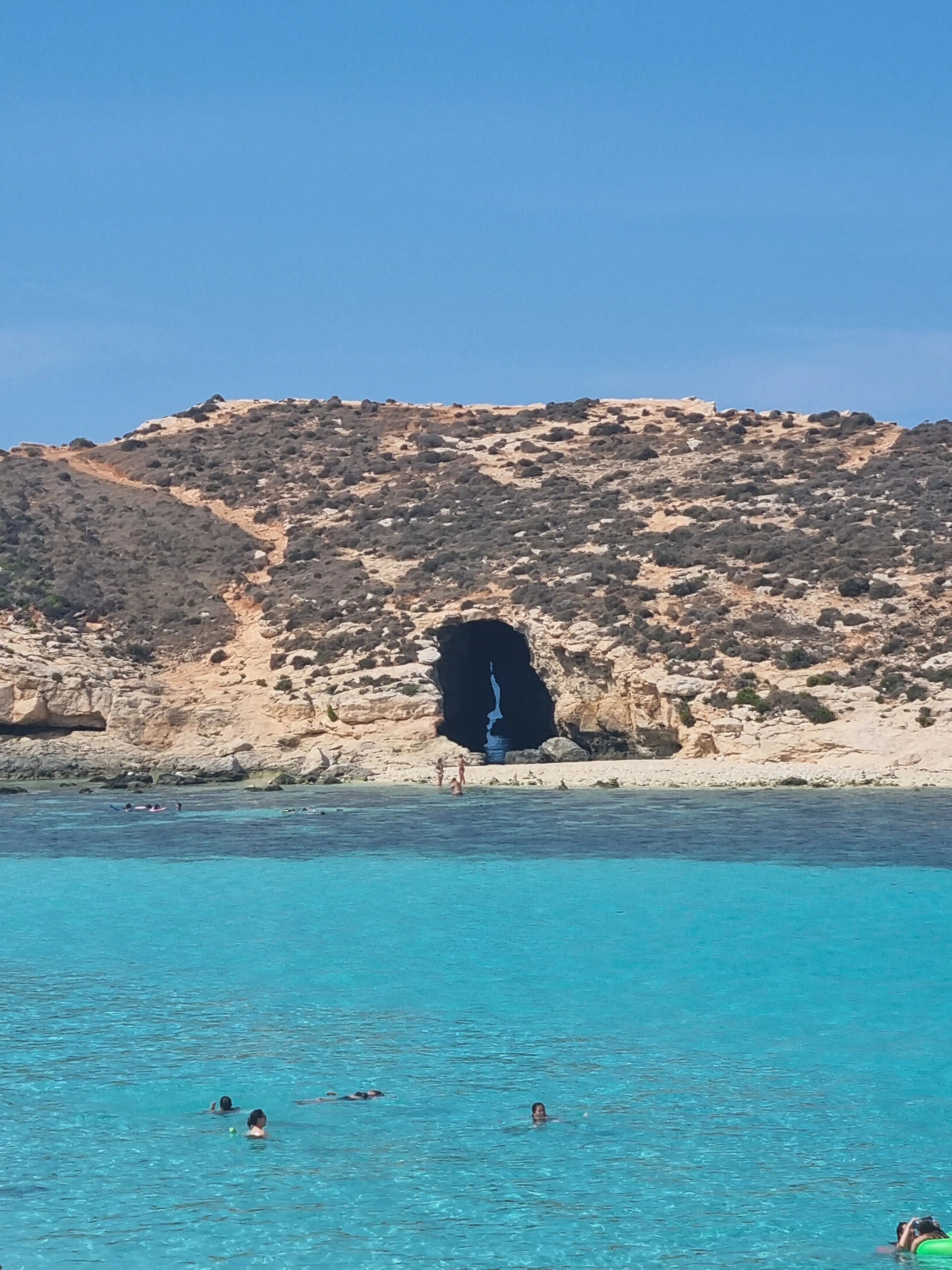
What living in Gozo is really like in 2026: cost of living, the ferry commute, the best villages for expats, healthcare and remote work, from repeated visits.
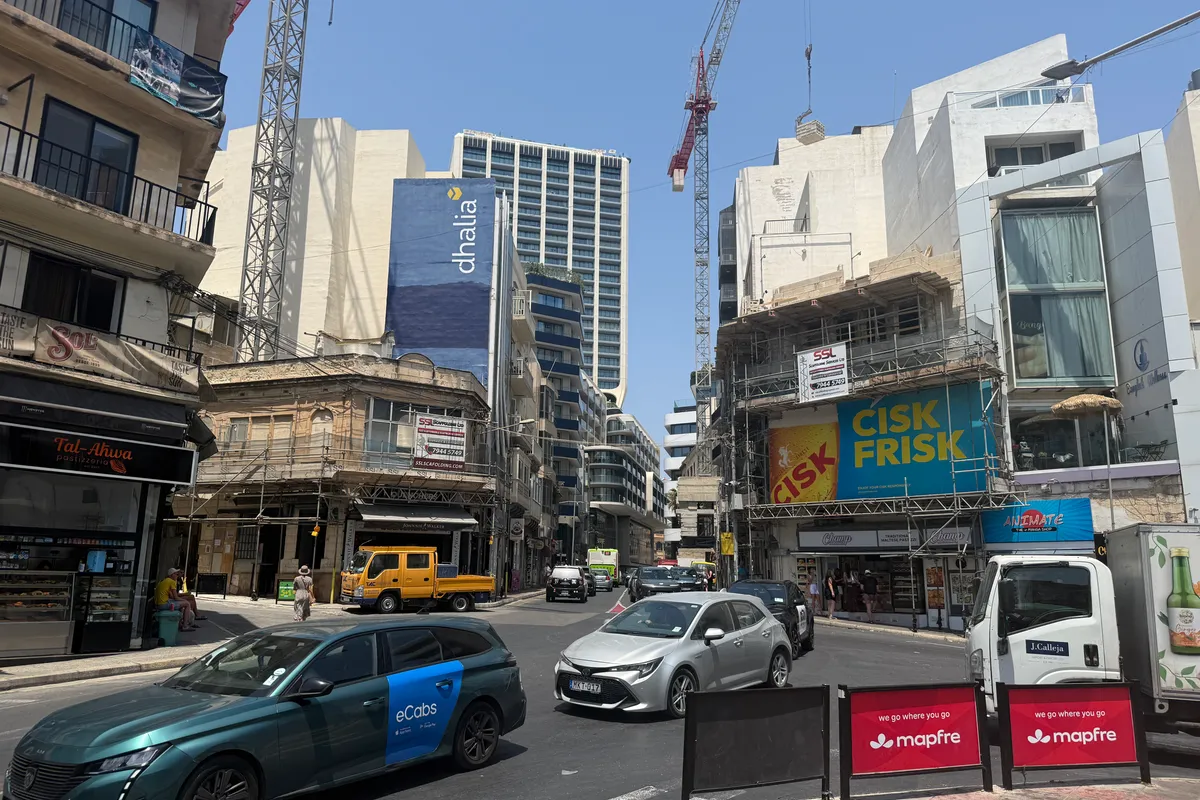
Driving in Malta as an expat in 2026: converting your licence, buying a used car, insurance and circulation tax, parking and surviving left-hand traffic.
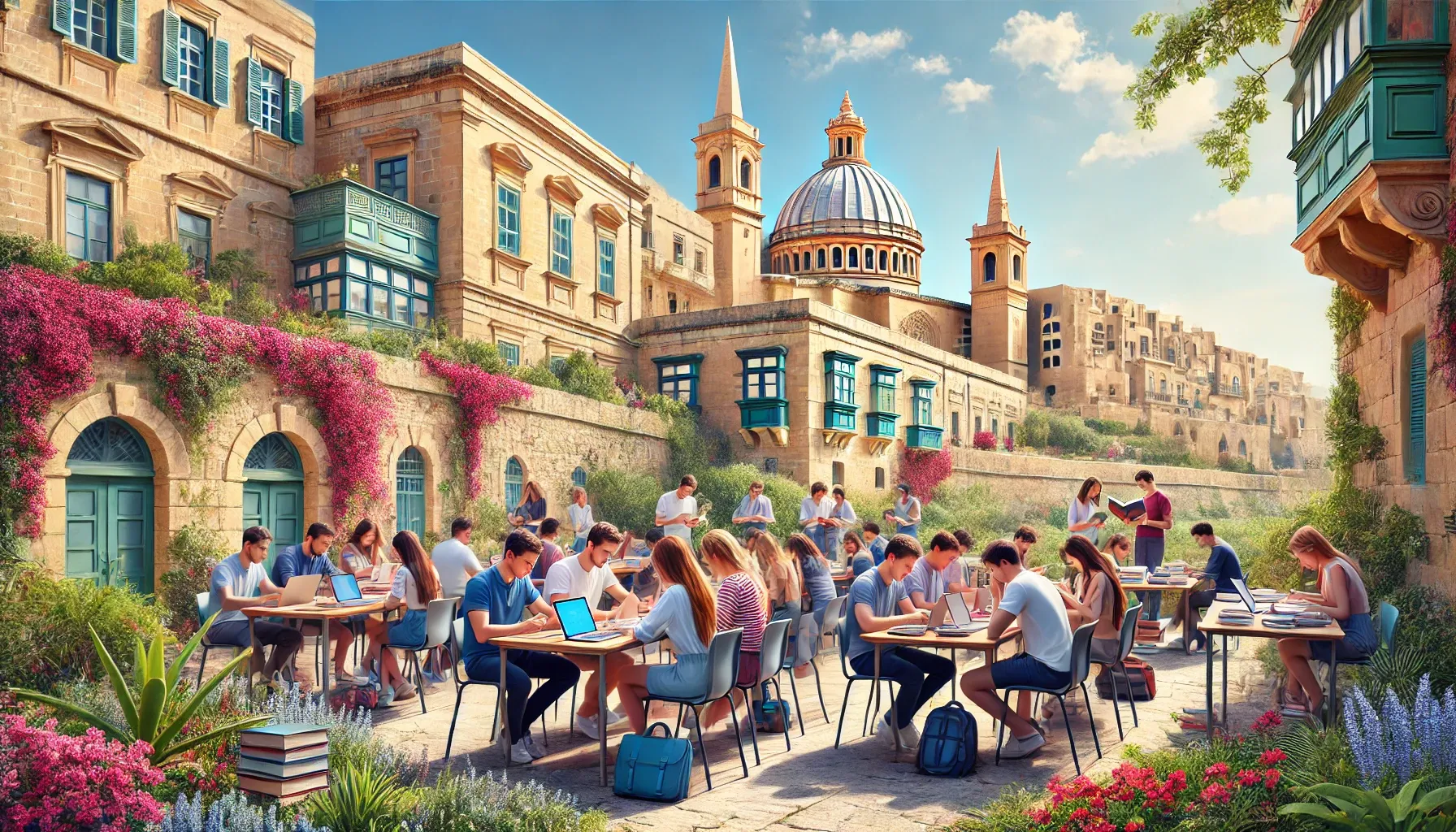
How Malta's school system works for expat families: free state schools, church schools, international schools at €6,000-15,000 a year, admissions and languages.